
Blog

Every house has its own story. Here are the issues we see the most when Abilene homeowners are dealing with homes in this age range.
When YouTube Tutorials Meet West Texas Reality

Start 2026 Right: Prevention Beats Emergency Repairs Every Time

Quick Fixes Before Thanksgiving That Make All the Difference

Protect Your Pipes and Home Before That First Hard Freeze Hits
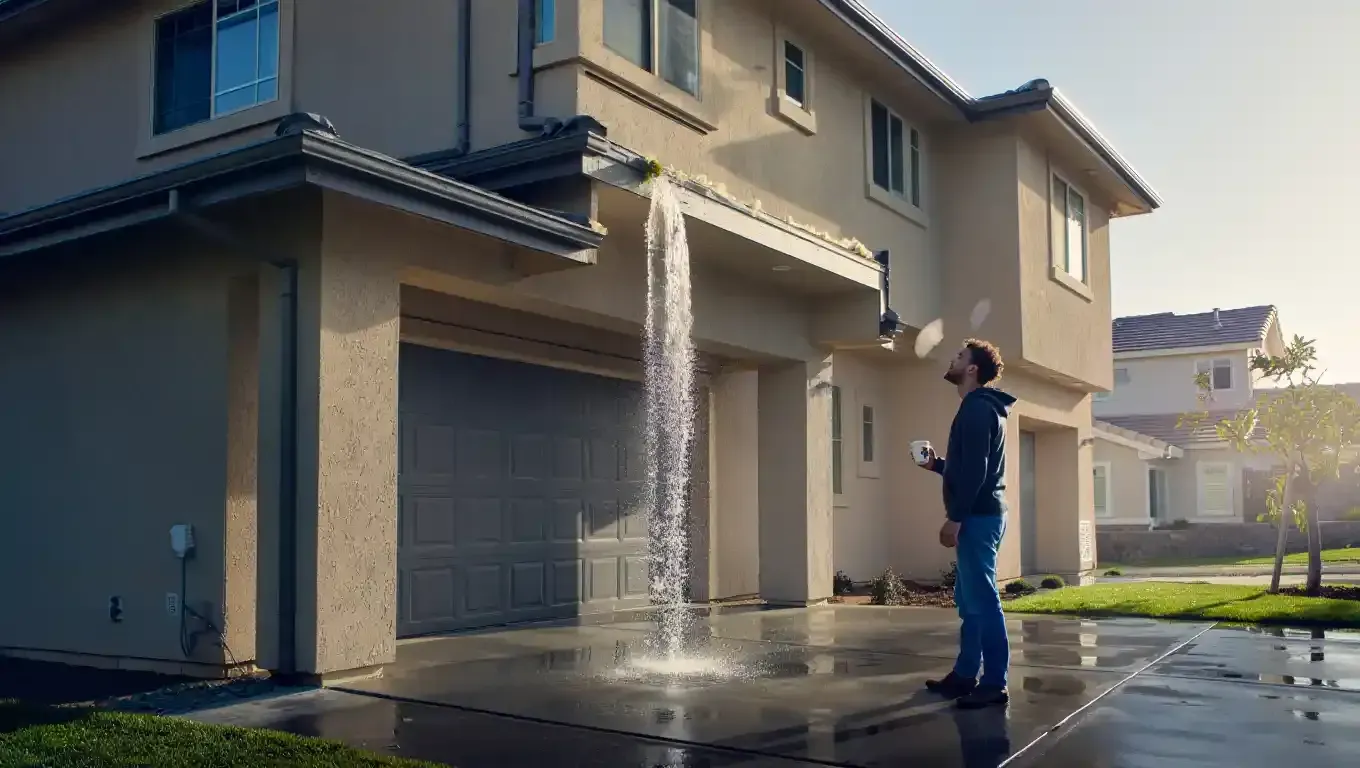
Saturday morning. Coffee's getting cold while you stand in the driveway staring at your gutters. That cottonwood fluff from three weeks ago is still hanging out the downspout like a flag. Now there's a puddle by your front steps that wasn't there yesterday, and those begonias look like they've been through a flood. This scene plays out in driveways all over Abilene. We get those spring winds that fill gutters faster than most people can keep up with. Add a sudden downpour and clay soil that doesn't drain worth a darn, and you've got water going places it shouldn't go. Most folks around here know gutters matter, but they don't think about them until water starts showing up in weird places. A little spillover seems harmless until you notice mud creeping toward the foundation or streaks running down the siding. By then, what started as a simple cleaning job has turned into something bigger. Why West Texas Makes Gutters Work Overtime Our climate doesn't do gutters any favors. Those cottonwood trees that make spring beautiful also create a mess that's hard to believe. The fluff doesn't just sit there either. Mix it with a little moisture and it turns into a mat that blocks everything. Then there are the dust storms that coat everything in grit, followed by rains that turn that grit into mud. Throw in temperature swings that make materials expand and contract, and you've got conditions that test every joint and bracket. We worked on a house over near the mall last spring. The homeowner thought she was on top of things because she cleaned her gutters every fall. What she didn't account for was how much debris accumulates during our active spring weather. By May, her gutters had so much buildup that the first real rain sent water cascading over the sides, washing out her flower beds and leaving ruts in the yard. That's when she called us. How Our Team Tackles Abilene Gutter Messes When we show up for a gutter cleaning, we're not just scooping out leaves. We're looking at the whole drainage system to make sure it can handle what our weather throws at it. First thing we do is clear all the visible debris by hand. Cottonwood, pecan shells, those weird seed pods that blow around in summer. All of it comes out before we even think about running water through the system. Next, we check every downspout. Sometimes the problem isn't what you can see from the ground. Clogs hide in the bends and connections. We use drain snakes and high-pressure water to clear blockages that have been building up for months. After that, we flush the entire system with water to test the flow and spot any leaks. This is where we find the small problems before they become expensive repairs. A loose joint here, a separated bracket there. Easy fixes when you catch them early. Last month we helped a family in one of those newer neighborhoods south of town. Their gutters looked fine from the ground, but when we got up there, half the system had pulled away from the fascia board. The brackets were loose, and water was getting behind the gutters and into the eaves. Could have been a major problem if they'd waited much longer. DIY Gutter Maintenance That Actually Works Look, we're not going to pretend everyone needs to hire professionals for basic gutter cleaning. If you're comfortable on a ladder and know what to look for, there's plenty you can handle yourself. Here's what works based on what we see around Abilene: Time it right. Don't clean gutters right after a storm when everything's soaked and heavy. Wait a day or two for things to dry out. Wet debris is harder to remove and can pack clogs tighter. Work smarter, not harder. Start at the high end of the gutter and work toward the downspout. This way you're moving debris in the direction water flows instead of fighting against it. Check your tools. A leaf blower can be great for dry debris, but it'll just pack wet stuff tighter. Know when to use your hands and when to use tools. Don't forget the downspouts. The visible part of your gutters might look clean, but if the downspouts are clogged, water's still going to overflow. Run a hose down each one to make sure water flows freely. Inspect while you work. Cleaning time is perfect for spotting loose brackets, separated joints, or places where the gutter's pulling away from the house. One trick we've learned over the years: drop a few ice cubes down your downspouts during cleaning. As they melt, they help flush out small debris that might be stuck in the bends. Red Flags That Mean It's Time to Call Us Some gutter problems go beyond basic cleaning. Here are the signs that mean you need professional help: Water spilling over during light rain means you've got serious blockages or damage that's affecting the whole system. Streaks or stains on your siding usually mean water's been overflowing for a while and might have caused damage you can't see. Standing water near your foundation is never good. It can lead to settling, cracks, and basement moisture problems. Gutters pulling away from the house or sagging sections mean the mounting system needs professional attention. If you see any of these signs, don't wait. Small problems become expensive repairs faster than you'd think, especially with our soil conditions. The Hidden Costs of Neglecting Gutters in Abilene We've seen what happens when gutters get ignored too long. It's not pretty, and it's not cheap. Foundation problems from poor drainage can cost thousands to fix. That clay soil we have here doesn't forgive standing water. It expands when wet and contracts when dry, putting stress on foundations that can lead to cracks and settling. Roof damage happens when gutters overflow and water backs up under shingles. What starts as a small leak can turn into major repairs if it gets into the decking or insulation. Even landscaping damage adds up. We've seen beautiful flower beds and expensive plantings destroyed by gutter overflow. Replacing mature landscaping isn't cheap. One client in the Wylie area learned this the hard way. Neglected gutters led to water damage in her attic, ruined insulation, and stained ceilings in two bedrooms. The repair bill was more than ten times what regular gutter maintenance would have cost. Making Gutter Maintenance Part of Your Routine The best approach is to make gutter care part of your regular home maintenance. Check them twice a year at minimum, and after any major storm. Spring is critical here because that's when cottonwood season hits. Even if you cleaned gutters in the fall, spring debris can fill them up fast. Fall cleaning is about preparing for winter rains. Getting leaves and seed pods out before they have a chance to decompose and create blockages. If any of this sounds like more than you want to handle, we get it. Gutter cleaning isn't exactly fun, and it can be dangerous if you're not comfortable on ladders.
Address summer wear in September to protect Abilene homes from winter freeze‑thaw damage and costly repairs.
Your AC unit has been running non-stop since Memorial Day. The electric bill arrived yesterday, and you stared at those numbers wondering if there was a mistake. Meanwhile, that subtle grinding noise from the outdoor unit is getting less subtle by the day. Sound familiar? Here in Abilene, we ask more from our HVAC systems than most places in the country. When it's 103 degrees in July and your system is fighting against West Texas heat while battling dust storms that coat everything in a fine layer of grit, that equipment is working overtime. The difference between a system that lasts fifteen years and one that dies after eight often comes down to understanding what our climate demands. Why West Texas Is Particularly Hard on HVAC Systems Most maintenance advice you'll find online assumes you live in a moderate climate. That's not us. Our systems face triple-digit temperatures for months, sudden temperature swings that can drop thirty degrees overnight, and dust that infiltrates every crevice. Add our expansive clay soil that shifts foundations and can affect ductwork, and you've got conditions that test every component. We see this reality play out in homes across town. Last spring, we worked on a system in one of those beautiful homes near the country club. The homeowner had been diligent about changing filters monthly, but nobody had told him that West Texas dust requires more frequent attention to the outdoor coils. By the time we arrived, the condenser was so clogged it looked like it had been wrapped in felt. The compressor had been working three times harder than necessary for two years. The repair bill was preventable. That's what drives us crazy about this business sometimes. The Real Cost of Neglecting HVAC Maintenance in Our Climate When an HVAC system fails here, it's not just inconvenience. It's potential danger. We've responded to emergency calls where elderly residents were dealing with indoor temperatures over 90 degrees because their twenty-year-old system finally gave up during a heat wave. But even before complete failure, struggling systems cost you money every month. A system running inefficiently in our climate can easily add $100-200 to monthly electric bills during peak season. Multiply that by our long summers, and you're looking at serious money. The problems we see most often are entirely preventable: Dirty coils causing compressor failure - This is huge here. When outdoor coils get caked with dust, the system can't release heat properly. The compressor works harder and eventually burns out. Replacement cost: $1,500-3,000. Clogged filters forcing system overwork - Standard monthly filter changes aren't enough during dust storm season. We recommend checking them every two weeks from March through October. Ductwork separation from foundation shifts - Our clay soil expands and contracts with moisture changes. This can pull ductwork apart at joints, causing massive efficiency losses. Refrigerant leaks accelerated by UV exposure - Constant sun and heat breaks down seals faster here than in milder climates. Your Seasonal HVAC Prevention Strategy Spring Preparation (March-April) This is when we start getting busy. Spring is your system's physical exam season. After months of relative rest, you want to address any issues before the heat arrives. Clean or replace filters - Start with fresh, high-quality filters. Don't go cheap here. A good pleated filter costs a few dollars more but protects expensive components. Clear the outdoor unit - Winter winds blow debris around condensers. Remove anything within three feet of the unit. Cut back vegetation that grew too close during cooler months. Check ductwork in accessible areas - Look for obvious disconnections, especially in crawl spaces or attics. Listen for whistling sounds when the system runs. We helped a family in one of the newer subdivisions south of town who discovered their efficiency problems weren't with the unit itself. Foundation settling had pulled apart a major duct junction in their crawl space. Half their cooled air was being pumped into the ground. Simple fix, but it had been costing them hundreds in wasted energy. Summer Vigilance (May-September) During peak season, your system needs attention like a marathon runner needs hydration. Little things become big problems quickly when equipment is under constant stress. Monitor filter condition weekly - During dust storms, check filters within a few days. A clogged filter during a heat wave can cause system shutdown. Keep coils clean - Hose down the outdoor unit gently every few weeks. Turn off power first. Remove the top panel if you're comfortable doing so and rinse the coils from inside out. Watch for warning signs - Unusual sounds, warm air from vents, frequent cycling, or ice buildup on lines all indicate problems that need immediate attention. The thing about summer HVAC problems is timing. When your system fails in July, you're competing with everyone else who ignored maintenance. Parts take longer to get, and service calls are at premium rates. Better to address issues in spring when technicians aren't overwhelmed. Fall and Winter Maintenance (October-February) Your system deserves recovery time after working hard all summer. Fall maintenance prevents small problems from becoming major repairs during the next cooling season. Deep clean the outdoor unit - After months of constant operation, coils need thorough cleaning. This often requires professional equipment and knowledge. Check electrical connections - Heat and vibration loosen connections over time. Loose connections cause arcing, which damages components and creates fire hazards. Test heating components - Even though heating season is shorter here, you want to ensure everything works before you need it. What Professional Maintenance Really Includes Homeowners can handle basic tasks, but professional maintenance catches problems you might miss. A proper service call includes system diagnostics that require specialized tools and knowledge. Refrigerant level checking - Low refrigerant makes systems work harder and can damage compressors. This requires gauges and understanding of proper pressures. Electrical component testing - Capacitors, contactors, and relays fail frequently in our climate. Testing these components prevents unexpected breakdowns. Ductwork inspection - Professionals can access and inspect areas homeowners cannot reach safely. We recently serviced a system in one of those charming older homes near downtown. The homeowner was proud of his DIY maintenance routine, and honestly, he was doing great with filters and basic cleaning. But our inspection revealed the original ductwork had several leaks sealed with old cloth tape that had failed. His system was working perfectly fine but cooling his attic instead of his house. Signs You Need Professional Help Immediately Some problems cannot wait for scheduled maintenance. Call a professional right away if you notice: Ice formation on refrigerant lines - This indicates serious airflow or refrigerant issues Burning smells from vents or the outdoor unit - Electrical problems that could cause fires System short cycling - Turning on and off frequently indicates multiple possible serious issues No air movement despite system running - Blower motor or electrical problems Water pooling around indoor unit - Drainage issues that can cause water damage Look, we understand the temptation to push through minor problems until the weather cools down. But in our climate, minor problems become major expenses quickly. That slight grinding noise from the outdoor unit isn't going to fix itself, and running the system with failing components often damages other parts. The Money Truth About HVAC Maintenance Annual professional maintenance typically costs $150-250. Compare that to major repairs: Compressor replacement: $2,000-4,000 Complete system replacement: $8,000-15,000 Emergency service calls during heat waves: $300-500 just for the visit But the real savings come from efficiency. A well-maintained system uses 15-20% less energy than a neglected one. In our climate, that translates to $200-400 in annual savings on utility bills. We've tracked this with customers over the years. Families who invest in annual maintenance and address small problems promptly typically get 12-15 years from their systems. Those who skip maintenance and ignore warning signs often replace systems after 7-10 years. Your Action Plan Starting Today Here's what you can do right now to protect your investment: This week : Check your current filter. If it's dirty, replace it immediately. This month : Clean around your outdoor unit. Remove debris, trim vegetation, and hose down the coils gently. This season : Schedule annual professional maintenance if you haven't already. Don't wait until spring when everyone else remembers. Going forward : Set phone reminders to check filters every two weeks during active cooling season. The goal isn't perfection. It's preventing the expensive disasters that happen when systems fail completely during our brutal summers. Frequently Asked Questions How often should I really change my HVAC filter in Abilene? During dust storm season and heavy use months (May through October), check your filter every two weeks. Replace it when it looks dirty, which might be monthly or more often depending on your home's exposure to dust. Those gorgeous West Texas sunsets that come from atmospheric dust? That same dust is trying to get into your system. Is it normal for my system to run constantly during July and August heat waves? When temperatures hit triple digits for days straight, your system will run almost continuously to maintain indoor temperature. This is normal, but the system should still cycle off occasionally. If it never stops running and your house isn't staying cool, you likely have efficiency problems that need attention. How much does professional HVAC maintenance cost, and is it really worth it in our climate? Annual maintenance typically runs $150-250 for a thorough inspection, cleaning, and tune-up. Given how hard our climate is on equipment, this investment usually pays for itself in extended equipment life and energy savings. We've seen too many $3,000 compressor replacements that could have been prevented with $200 in annual maintenance. What's the biggest HVAC mistake Abilene homeowners make? Waiting too long to address small problems. A minor refrigerant leak or slightly dirty coils might seem manageable, but in our extreme heat, these issues compound quickly. What starts as a $150 repair can become a $1,500 problem in one bad heat wave. Should I be concerned about my outdoor unit during dust storms? Absolutely. After significant dust storms, check your outdoor unit within a day or two. Turn off power and gently rinse the coils if they're visibly dusty. Heavy dust buildup forces your system to work much harder and can cause overheating. It's one of the most common causes of summer breakdowns we see. Don't let another summer catch you unprepared. Your HVAC system works harder here in Abilene than almost anywhere else in the country. Give it the attention it deserves, and it'll keep you comfortable through whatever West Texas weather throws at us. If you're dealing with any warning signs or just want peace of mind before the next heat wave, reach out to our team. We understand what it takes to keep systems running reliably in our unique climate. Don't wait for your HVAC system to fail during the next heat wave. Take action now to protect your investment and your family's comfort. If you're also dealing with installation needs, check out our professional installation and assembly services to handle other home projects while we're there. Ready to schedule your professional HVAC maintenance or need immediate help with a system that's already showing warning signs? Our experienced team understands exactly what Abilene's climate demands from your equipment. Call Fixeroo Abilene today at 325-225-2540 and let us help you avoid those expensive summer breakdowns before they happen.

Eliminate hard water in Abilene with expert water softener installation and treatment. Protect your home, appliances, and plumbing—request your free estimate today!

Bathroom and Kitchen Upgrades During Peak Season