The Hidden Cost of DIY: 7 Home Repairs Abilene Homeowners Think They Can Handle (But Shouldn't)
When YouTube Tutorials Meet West Texas Reality
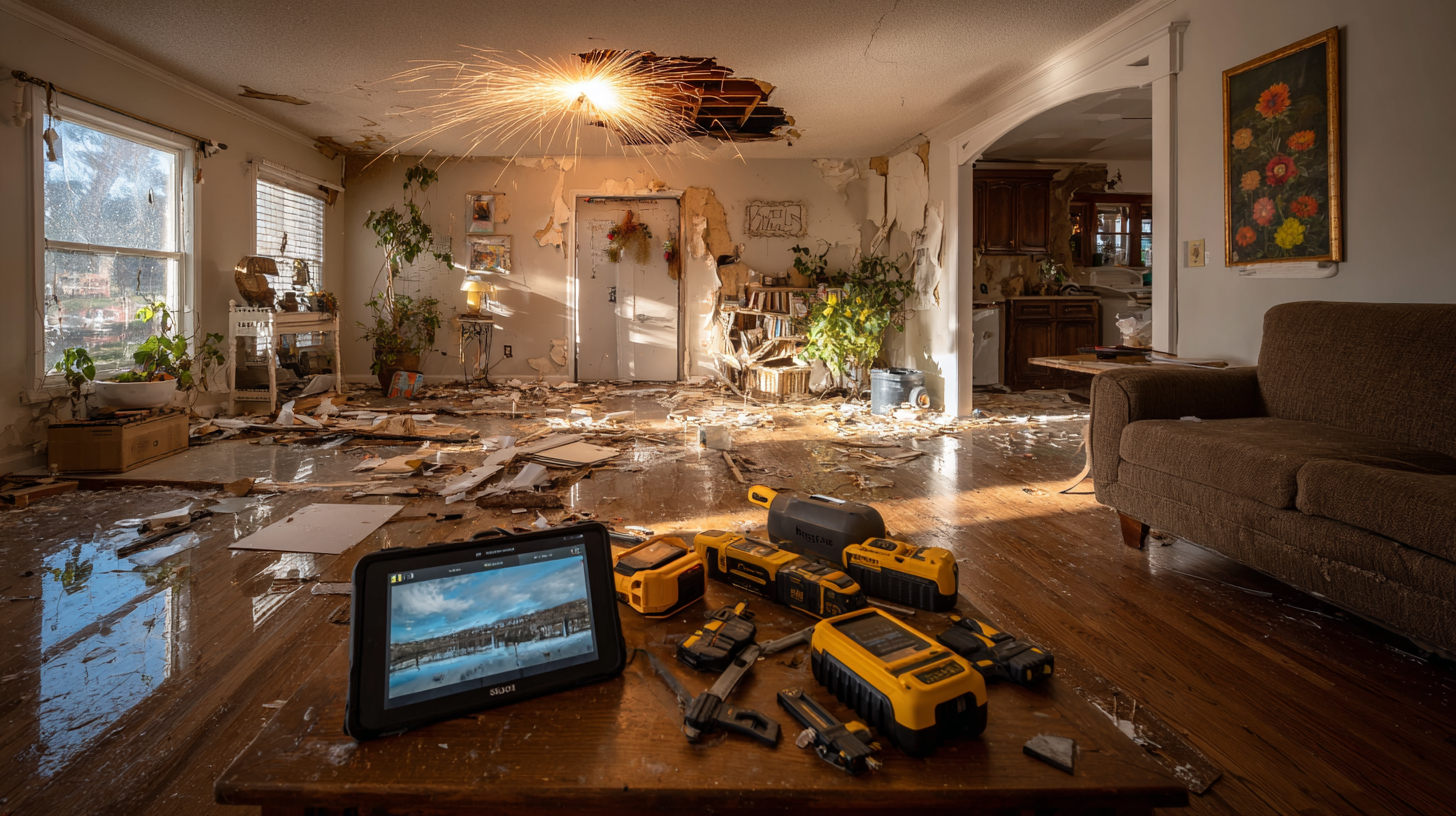
Saturday morning. You're standing in the plumbing aisle at Lowe's, YouTube video queued up on your phone, cart loaded with parts you're 70% sure are the right ones. That leaking faucet has been dripping for three weeks, and the tutorial made it look simple. Twenty minutes, tops.
Four hours later, you've got water pooling on the floor, two extra trips to the hardware store, and a growing suspicion that maybe this wasn't as straightforward as the internet promised.
We see it constantly. Smart, capable homeowners tackle projects that seem manageable until they're not. The problem isn't lack of intelligence or effort. It's that some repairs have hidden complexity that doesn't show up until you're already committed, parts are scattered across the counter, and the original problem is now significantly worse.
The real cost of DIY gone wrong isn't just wasted time and materials. It's paying professionals to undo amateur work before fixing the actual problem. Sometimes that doubles or triples the final bill.
Why We're Not Anti-DIY (But We Are Pro-Reality)
Look, we respect homeowners who want to handle their own repairs. Plenty of projects are absolutely DIY-appropriate. Changing air filters, caulking windows, painting rooms, replacing cabinet hardware. These save money and build skills.
This isn't about scaring people away from every home project. It's about helping you recognize which repairs have hidden complexities that make professional help worth every dollar.
West Texas adds complications most online tutorials never mention. Clay soil that shifts foundations and stresses structures. Temperature swings that make materials behave unpredictably. Hard water that corrodes plumbing faster than manufacturers expect. Dust that infiltrates electrical boxes and creates fire hazards.

The projects we're about to discuss? They all look simpler than they are. Every single one has sent homeowners to us after their DIY attempt created bigger problems than the original issue.
Electrical Work: Where Confidence Meets Consequences
Replacing an outlet seems straightforward. Turn off the breaker, swap the outlet, turn it back on. What could go wrong?
Everything.
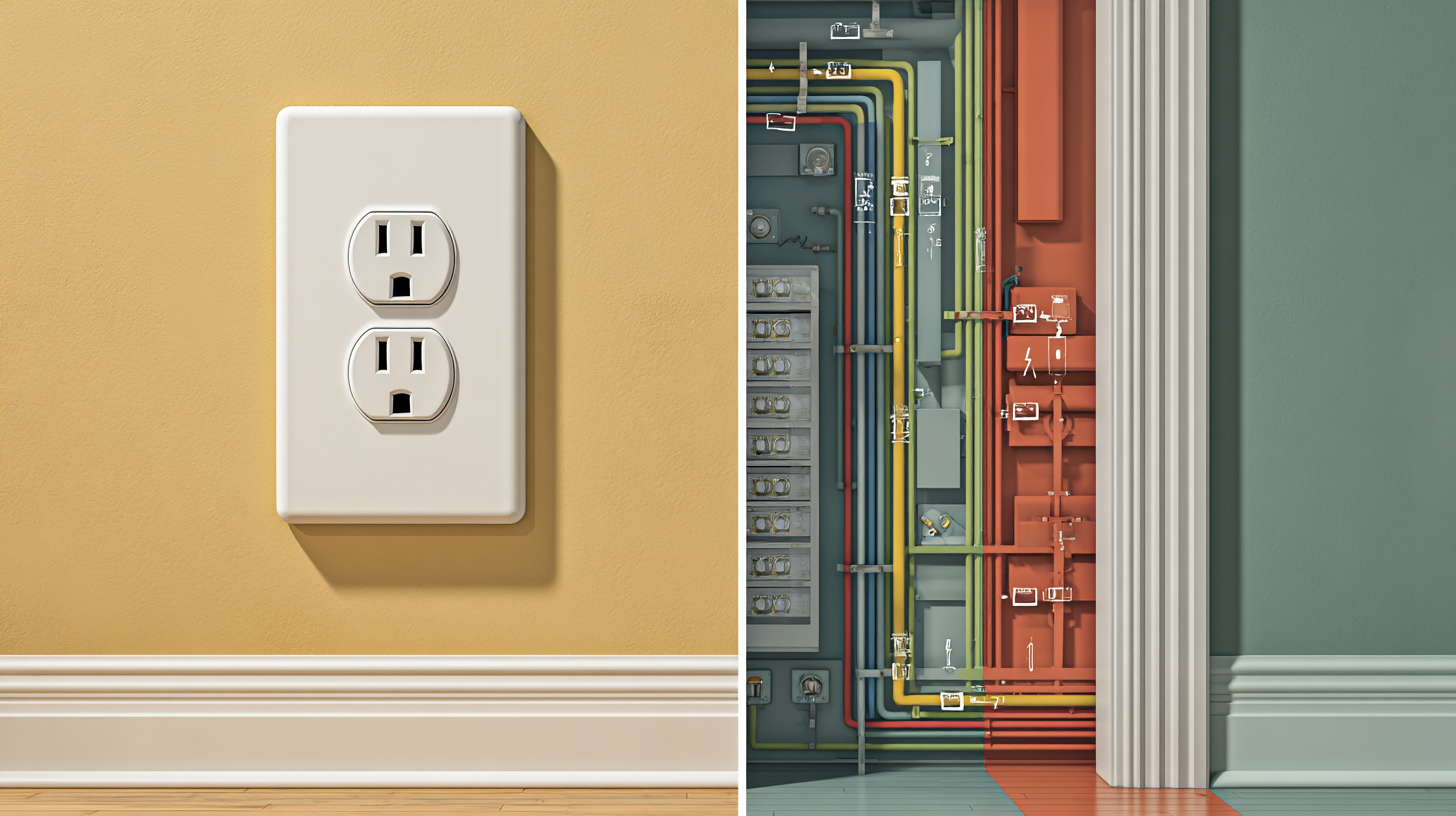
Electrical work hides its complexity behind walls. You don't know if the wiring is aluminum instead of copper until you open that box. You can't see if previous owners did dangerous amateur work upstream. You won't realize the circuit is overloaded until something catches fire.
We responded to a call last month where a homeowner replaced a kitchen outlet. Simple job, right? Except the house was built in the 1960s with aluminum wiring that requires special connectors. The wrong connection created resistance, heat buildup, and nearly caused a fire before the homeowner noticed a burning smell.
Common electrical mistakes we see:
- Improper wire connections that create fire hazards
- Missing ground wires that eliminate critical safety features
- Overloaded circuits that trip constantly or worse, don't trip when they should
- Incorrect box sizing for the number of wires
- Aluminum wiring treated like copper
Texas doesn't require permits for minor electrical work on your own home, but that doesn't mean it's safe to attempt without knowledge. Code requirements exist for reasons written in blood and insurance claims.
Professional electricians carry liability insurance specifically because electrical work can kill people or burn down houses. That $150 service call suddenly looks reasonable compared to a house fire.
Plumbing: YouTube Doesn't Show You Everything
Faucet replacement videos make it look like a 15-minute job. Remove old faucet, install new one, done. The tutorial never shows you what happens when the shutoff valve hasn't been turned in 12 years and breaks when you try to close it.
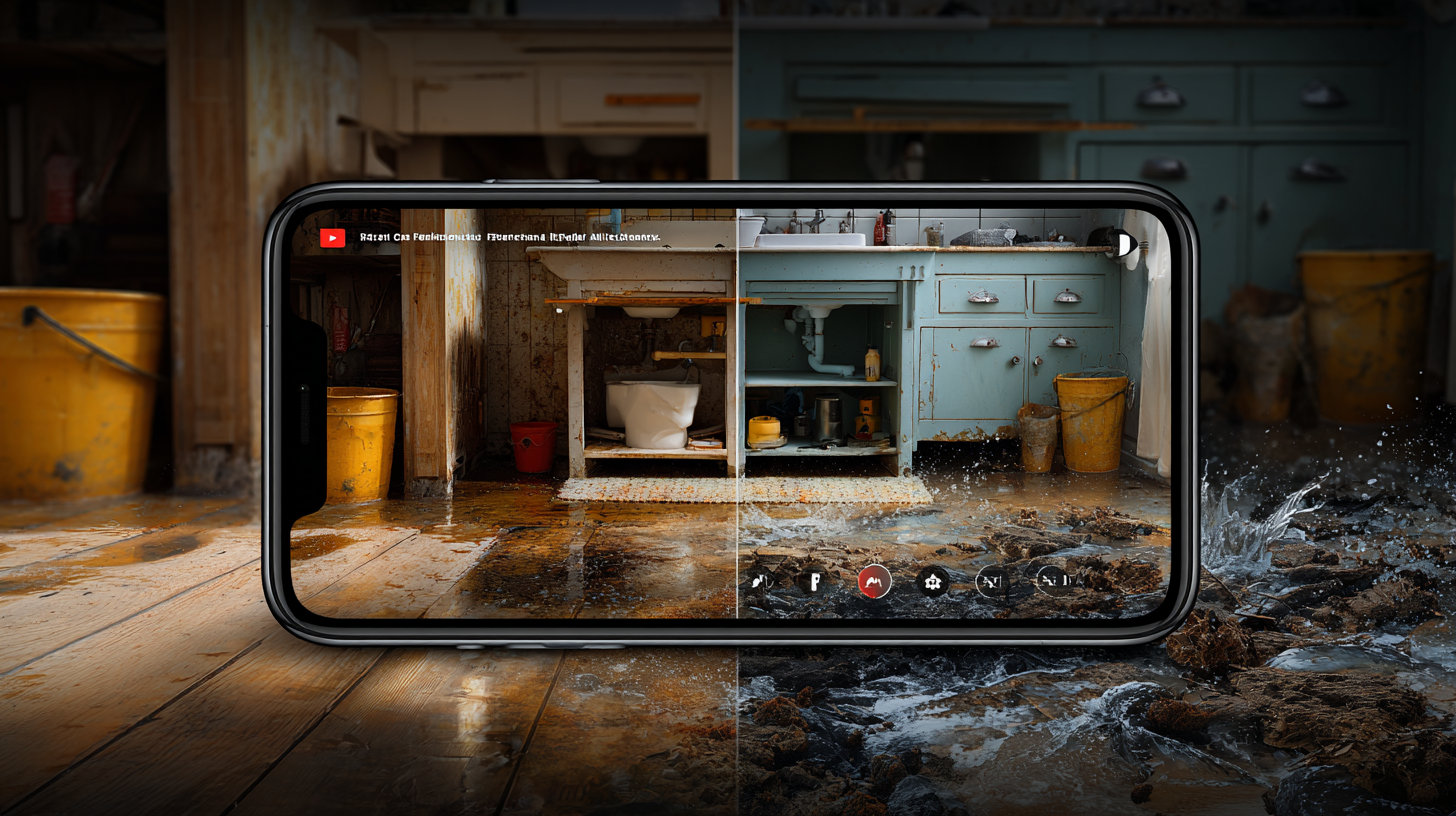
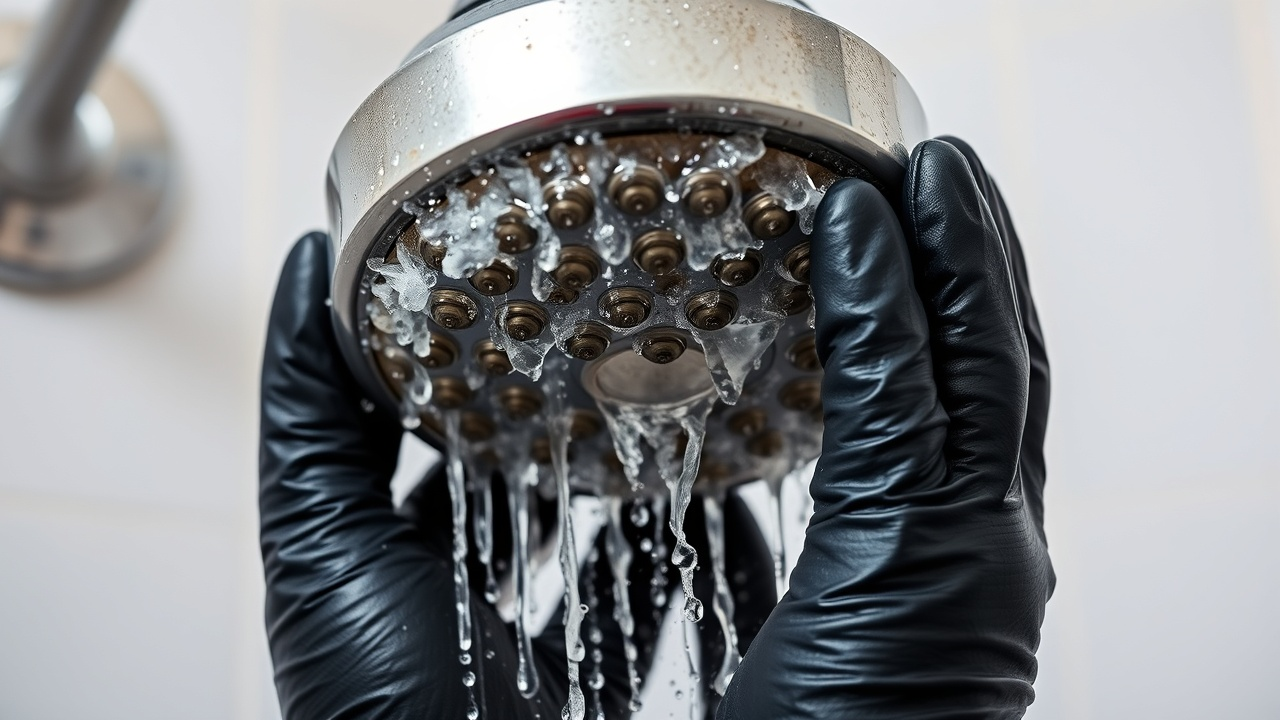
Abilene's hard water creates problems tutorials filmed in soft water areas never address. Mineral deposits fuse connections together. Corrosion hides inside pipes you can't see. Shutoff valves that worked fine for years suddenly fail when disturbed.
Last fall we helped a homeowner who tried replacing their kitchen faucet. Video made it look simple. What they discovered: corroded supply lines, a cracked sink mounting surface from over-tightening during original installation, and a shutoff valve that broke off completely when they tried to close it.
What should have been a $200 faucet replacement became $800 once we replaced supply lines, repaired the mounting surface, and installed new shutoff valves with emergency water service.
Plumbing complexity that surprises DIYers:
- Supply lines corroded and brittle from age
- Shutoff valves that fail when operated after years of sitting
- Drain assemblies that require specific tools and techniques
- Mounting systems that vary wildly between manufacturers
- Local code requirements for backflow prevention
Water damage happens fast. A small leak you don't notice immediately can cause thousands in damage to cabinets, flooring, and drywall. Professional plumbers know what to check before disturbing old plumbing, and they carry insurance when things go wrong despite precautions.
Drywall Repair: Texture Is the Tell
Small nail holes? Sure, patch those yourself. But anything larger than your fist enters professional territory fast.
The problem isn't the patching. It's the finishing. Getting texture to match requires skills built over years. One section of smooth patch on a textured wall screams "amateur repair" and tanks your home value.
We worked on a house in one of those neighborhoods near the mall where the homeowner patched several large drywall holes themselves. Structurally sound patches, but the texture didn't match. When they went to sell, the inspector's report mentioned "numerous unprofessional repairs" and buyers used it to negotiate $8,000 off the price.
Professional texture matching for those patches would have cost $400.
Abilene-specific drywall issues:
Clay soil foundation movement creates cracks that look cosmetic but indicate structural issues. Patching a crack without addressing why it formed means it'll just crack again. Sometimes that crack is your foundation telling you something important.
Temperature swings make drywall expand and contract. Patches that don't account for movement fail quickly. Professionals know which compounds and techniques work in our climate.
When drywall repair needs professionals:
- Cracks that return after patching
- Holes near plumbing or electrical (hidden damage possible)
- Texture matching on anything visible
- Repairs larger than 6 inches
- Any crack wider than a pencil
Load-Bearing Walls: The Expensive Surprise
"I just want to open up this wall between the kitchen and living room. How hard can it be?"
Extremely hard if it's load-bearing. And you often can't tell until you open it up.
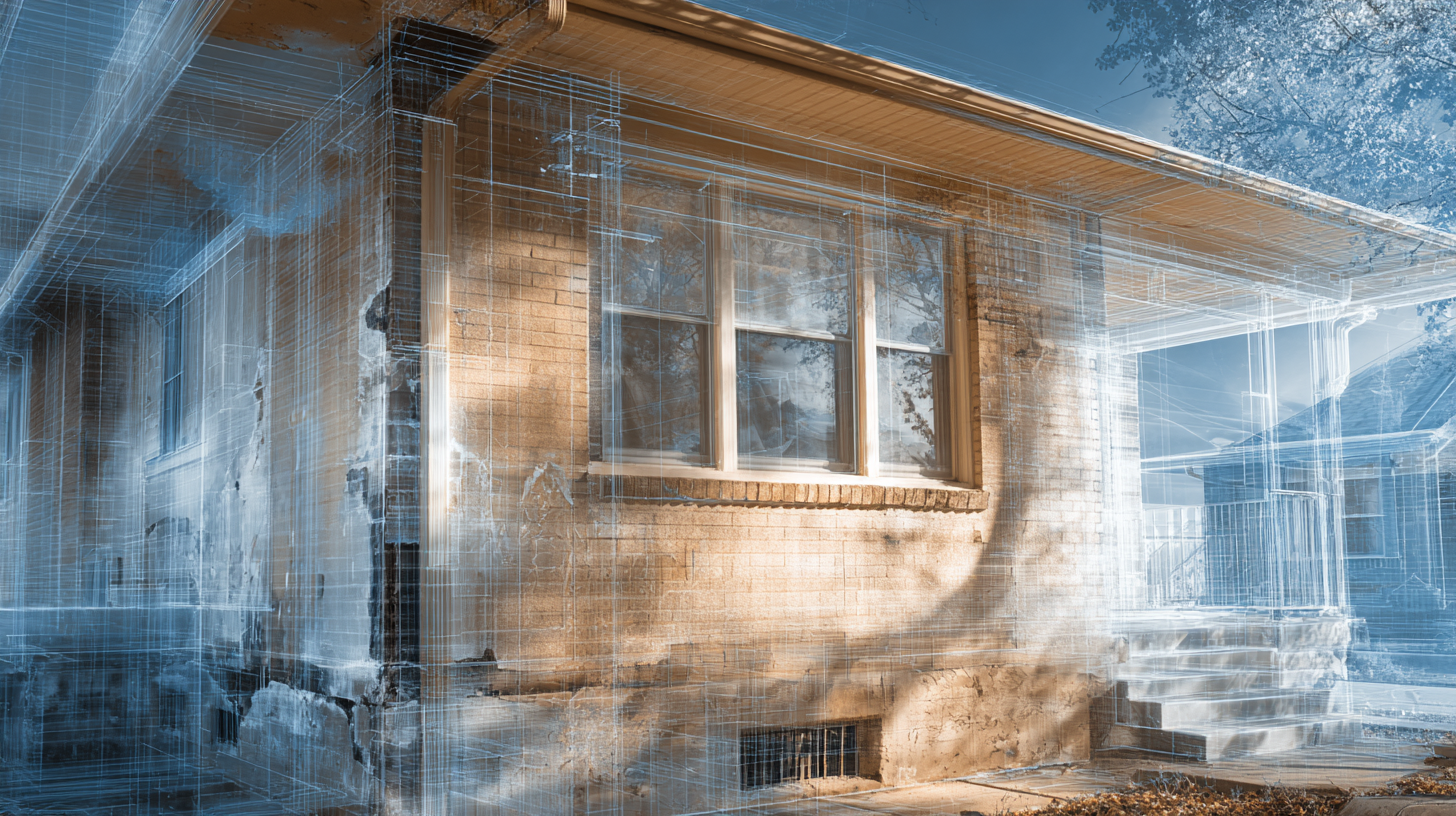
Last year we got called to a house where the homeowner started removing a wall themselves. Got halfway through before realizing the ceiling was starting to sag. Turned out that "non-essential" wall was supporting the second floor.
Emergency structural work, building permits, engineer consultation, and proper beam installation turned their $500 DIY project into a $6,500 professional job. Plus they lived with plastic sheeting for two weeks while we obtained permits and materials.
Hidden inside walls:
- Load-bearing studs supporting the floor above
- Electrical wiring you can't see until you cut into it
- Plumbing that wasn't marked on any diagram
- HVAC ductwork running through wall cavities
- Fire blocking required by code
Texas requires permits for structural modifications. Doing unpermitted work affects your ability to sell, voids insurance in case of problems, and creates liability if anyone gets hurt.
You can't learn structural engineering from YouTube. Load calculations, proper beam sizing, code-compliant connections—these require training and experience.
Exterior Painting: When Weather Wins
Painting seems like the ultimate DIY project. Brush, roller, paint. What's complicated?
In West Texas? Everything about timing and prep.
Exterior painting requires temperatures between 50 and 90 degrees, low humidity, and no rain for 24-48 hours. That's a narrow window here. Paint applied outside those conditions fails fast—peeling, bubbling, poor adhesion.
We've seen homeowners paint in March during a warm spell, only to watch it fail by June when UV exposure and temperature extremes hit. Quality exterior paint costs $50-70 per gallon. Doing it twice because you got the conditions wrong costs more than hiring professionals once.
West Texas painting challenges:
- UV exposure that degrades paint faster than mild climates
- Temperature extremes from 20 degrees to 109 degrees
- Dust that contaminates fresh paint if you don't time it right
- Surface prep that determines whether paint lasts 3 years or 10
Professional painters know which products hold up here. They understand surface prep that most DIYers skip. They have equipment that applies consistent coats quickly before conditions change.
When to hire painters:
- Exterior work on two-story homes (safety issue)
- Surfaces that need serious prep (peeling, damaged wood)
- Stucco or brick that requires specific techniques
- Trim work requiring steady hands and patience
Fence Repair: Clay Soil Fights Back
Replacing a fence post looks straightforward until you try removing one from Abilene clay soil.
That soil holds posts like concrete when dry and shifts them when wet. Getting a post out without proper tools can take hours. Setting a new one that stays stable requires understanding soil conditions most DIYers don't have.
Homeowner in one of the subdivisions off Buffalo Gap tried replacing several fence posts last spring. Dug holes, set posts in concrete, figured that was good enough. First big wind in June knocked down three panels because the posts weren't deep enough for our wind loads and weren't properly braced during curing.
Professional fence work cost $800. His DIY attempt cost $300 in materials plus another $800 to fix it properly after it failed.
Fence work complexity:
- Post depth requirements for wind loads (different here than other regions)
- Clay soil that shrinks and expands with moisture
- Concrete curing time and technique
- Panel alignment that requires specific tools
- Gate hardware that needs precision installation
Wind in West Texas isn't a minor consideration. Fences need to handle sustained winds and gusts that would be unusual elsewhere. That requires proper depth, concrete technique, and bracing.
Ceiling Fan Installation: Spinning Hazards
Ceiling fan installation combines electrical work, structural mounting, and precise balancing. Miss any element and you've got a dangerous, annoying, or broken fan.
The junction box has to support the fan's weight and vibration. Standard light fixture boxes won't work. Using the wrong box means your fan could fall, especially during operation when vibration stresses connections.
We've responded to fans installed improperly that wobbled violently, made noise constantly, or fell (thankfully when no one was underneath). Each one was a DIY installation where someone followed a tutorial but didn't understand box requirements, wire sizing, or balancing techniques.
Ceiling fan installation requirements:
- Fan-rated junction box properly secured to framing
- Correct wire gauge for fan size and circuit
- Proper mounting bracket installation
- Blade balancing that requires specific tools
- Understanding of three-way switches if replacing light
Falls from ladders are one of the most common DIY injuries. Ceiling fan installation requires working overhead on a ladder while dealing with electrical connections and heavy components. Professional installers have proper ladders, safety equipment, and insurance.
The Real Decision Framework
So how do you know what's actually DIY-appropriate and what needs professionals?
Tackle DIY when:
- No electrical or plumbing work involved
- No permits required
- You have proper tools (not "this might work")
- Instructions are clear and match your situation exactly
- Mistakes are easily reversible
- No safety risks beyond minor cuts or bruises
Call professionals when:
- Electricity, gas, or pressurized water involved
- Working above 8 feet
- Structural elements affected
- Permits required
- Special tools needed for one-time use
- Timeline is critical
- Mistakes could cause injury or major damage
Ask yourself honestly:
- Have I done this specific repair before successfully?
- Do I have the right tools, not substitutes?
- Do I understand the local code requirements?
- Can I recognize when I'm in over my head before causing damage?
- Is my insurance current if something goes wrong?
What DIY Mistakes Actually Cost
Materials wasted: $100-300 average
Time investment lost: 4-12 hours
Professional cleanup of amateur work: $150-400
Original repair plus fixing DIY damage: Often double the original estimate
The homeowner who tried their own electrical outlet replacement spent $45 on parts and 6 hours of time before calling us. We spent an additional $200 undoing improper connections before doing the correct installation for $150. Total cost: $395 instead of the $150 it would have cost to call us first.
Then there are permit violations. Selling a house with unpermitted work means either getting retroactive permits (expensive and sometimes impossible) or disclosing violations that scare off buyers.
Insurance complications might be worst of all. Many homeowner policies won't cover damage from amateur electrical or plumbing work. That DIY savings could cost you everything if a fire starts or water damage occurs.
How to Know When You're In Over Your Head
You started the project, now you're stuck. How do you know when to stop digging the hole deeper?
Warning signs to stop immediately:
- Instructions don't match what you're seeing
- Parts don't fit like they should
- You're improvising connections or using wrong materials
- Water is going somewhere unexpected
- Electrical connections feel hot or smell burned
- Structural elements look different than anticipated
- You've said "this should work" more than once
Call for help when you notice any of these. We'd rather finish a partially completed project than fix a disaster. Most professionals respect homeowners who recognize their limits before causing serious damage.
What's the most common DIY repair that goes wrong in Abilene?
Plumbing work, especially faucet replacements. Our hard water creates corrosion and mineral buildup that makes simple repairs complicated. Homeowners don't expect shutoff valves to fail or supply lines to be fused by mineral deposits.
How much does it typically cost to fix a failed DIY repair?
Usually 150% to 300% of what the original professional repair would have cost. We spend time undoing improper work before starting the correct repair, and sometimes DIY attempts create additional damage that needs addressing.
Will you charge more if I've already attempted the repair myself?
We charge for time and materials. If a DIY attempt created additional work, that affects the bill. But we won't penalize you for trying. Many homeowners call us mid-project when they recognize it's beyond their skills, and we appreciate that honesty.
What repairs are genuinely okay for homeowners to handle?
Basic maintenance like changing air filters, caulking, painting interior walls, replacing cabinet hardware, and minor landscaping. Anything that doesn't involve electricity, plumbing, or structural elements is usually safe for DIY if you have the right tools and patience.
How do I know if my project requires a permit?
In Abilene, permits are required for structural changes, electrical work beyond replacing fixtures, plumbing modifications, and HVAC work. Call the city inspections office at (325) 676-6223 before starting work. Permit requirements protect you and ensure work is safe.
Frequently Asked Questions
Don't let overconfidence turn a simple repair into an expensive disaster. If you're looking at a project and wondering whether you can handle it, call Fixeroo Abilene at 325-225-2540 or email fixerooabilene@gmail.com for an honest assessment. We'll tell you if it's something you can tackle yourself or if professional help makes sense. Sometimes the smartest DIY decision is knowing when to call for backup.