Your Abilene Home Is 20 to 40 Years Old. Here Is What That Actually Means.
Every house has its own story. Here are the issues we see the most when Abilene homeowners are dealing with homes in this age range.
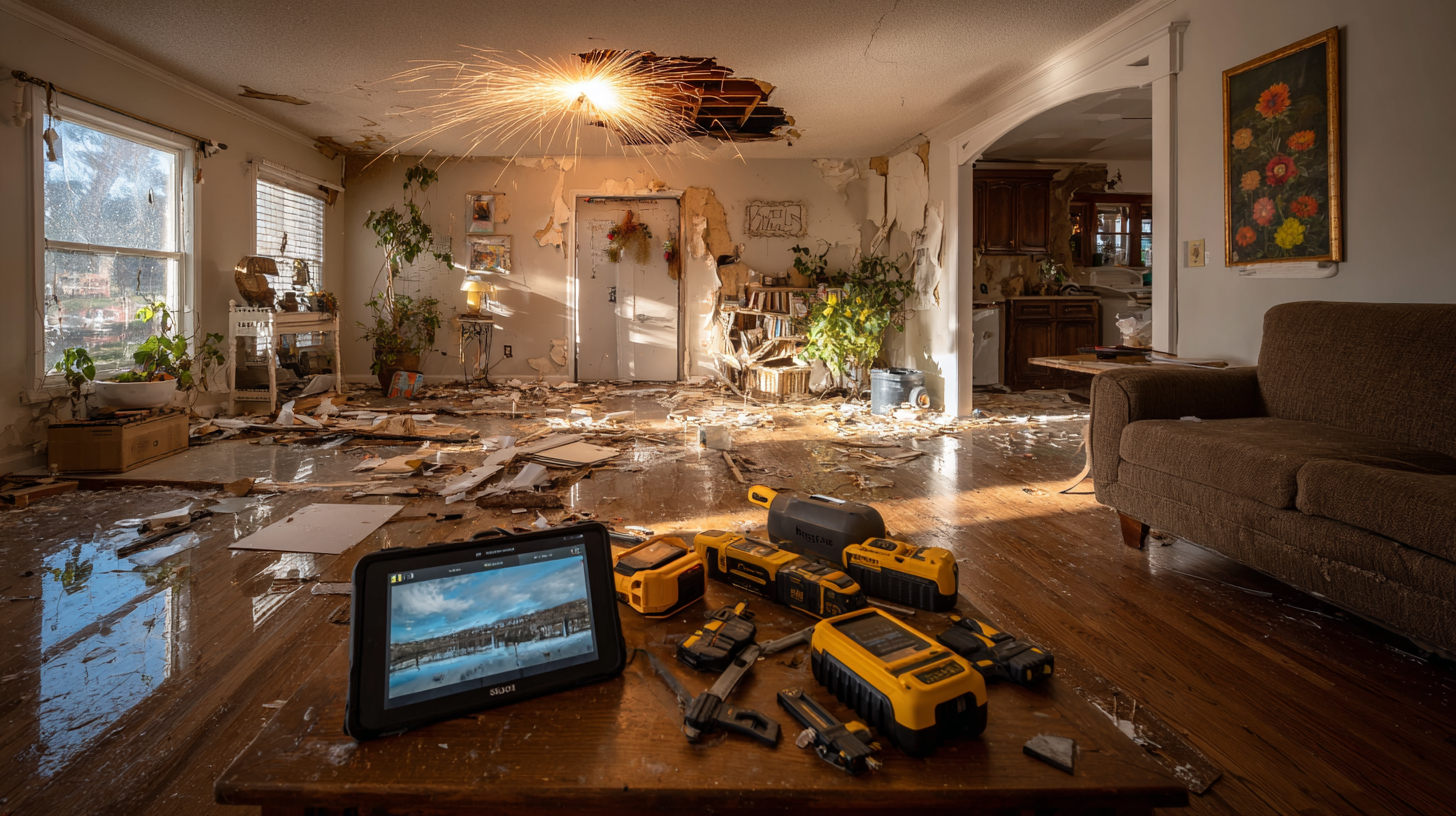
The house looks fine. Nothing is leaking. Nothing is falling apart. But if your home is somewhere between 20 and 40 years old, it has been keeping a quiet running tab. The clay soil has been shifting under it every season. The West Texas sun has been cooking the exterior year after year. Hard water has been moving through every pipe in the house. And the heat has been pushing everything from freezing cold to over 100 degrees and back again, season after season, for decades.
None of that stops. And it adds up.
This is not meant to worry you. Most of what we are going to talk about is still in the fixable range. A lot of it is even in the "catch it now and save yourself real money" range. But that window does not stay open forever. And Abilene's climate does not give your home the same grace period that a milder place would.
Here is what our crew actually sees when we walk through homes in this age range around Abilene, Clyde, Eula, Stamford, and the surrounding areas.
What This Climate Does to a Home
Most home repair advice online was written for somewhere else. Average winters. Mild summers. Stable soil. That is not here.
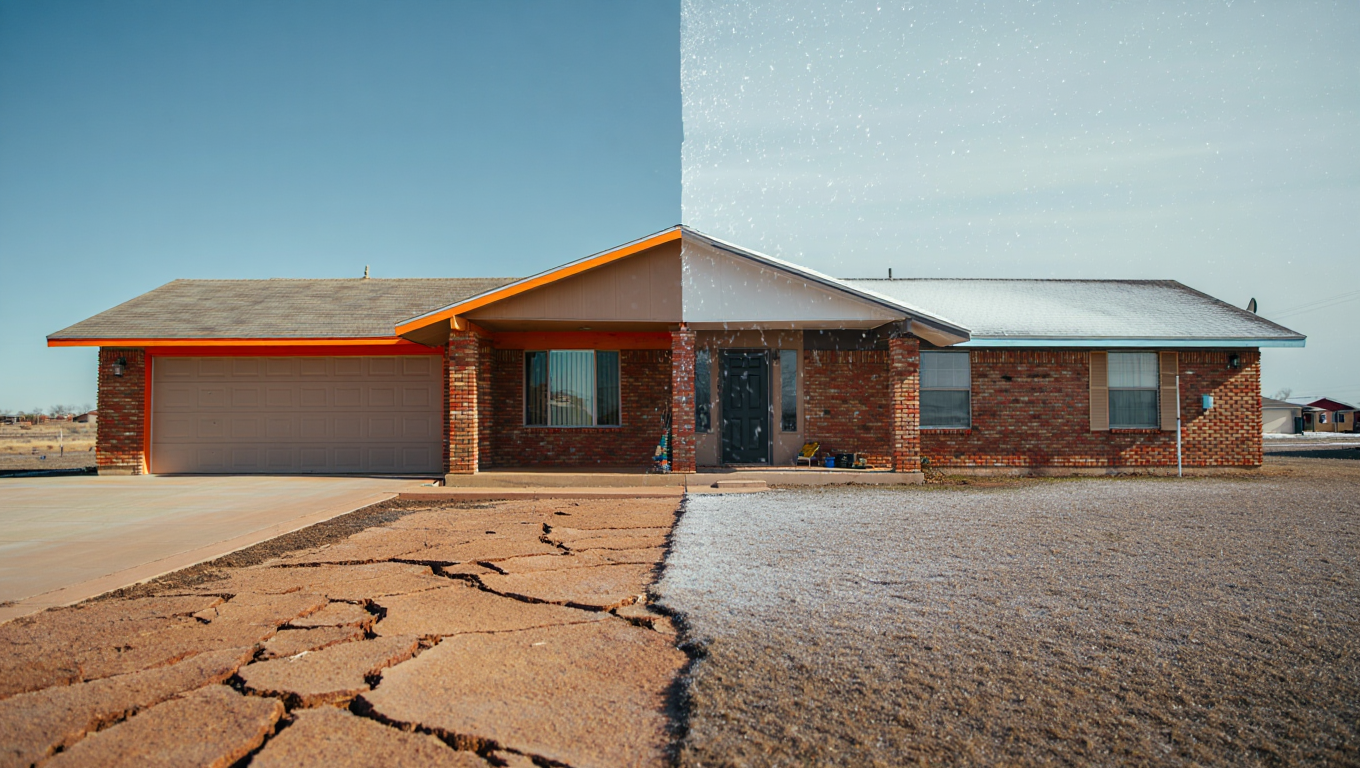
The clay soil under most Abilene neighborhoods does something most homeowners do not think about. It swells when it gets wet and shrinks when it dries out. It does this every single year. Over 20 to 40 years, that movement is not dramatic in any one season, but it builds. It works on your foundation, your floors, your door frames, and everything attached to them. Doors that stick in summer and swing loose in January are not random. They are your house reacting to what is happening underground.
The sun here is harder on exterior materials than most of the country. Paint, caulk, wood trim, and deck boards all have lifespans that assume average sunlight. Abilene's sun is not average. Materials that should last 10 years last 5 or 6. Caulking that should flex for nearly a decade gets brittle in 3 or 4. Most homeowners do not notice until something fails in a way they can see. By then, water has often already found its way in.
Hard water is the third factor. It runs through virtually every home on city supply in Abilene. Over two to four decades it has been leaving mineral deposits inside pipes, around fixture connections, inside the water heater, and on every valve and aerator in the house. Slow and steady, but it never stops.
Put all three together and a home in this age range has been through a lot, whether it shows on the surface or not.
The Exterior: Read What It Is Telling You
The outside of your home is the first place to look. And in most cases, it has something to say.
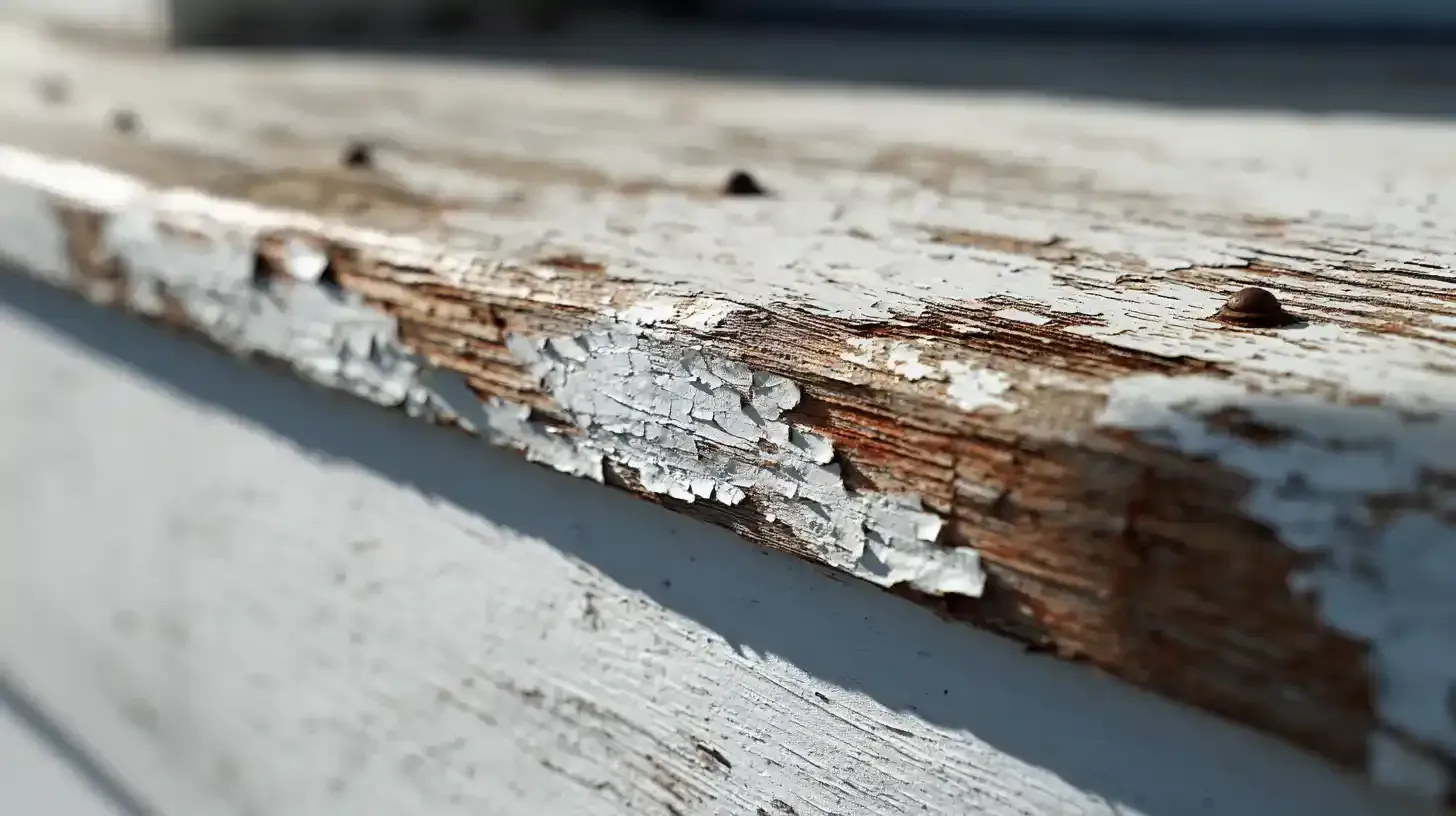
Paint is the most obvious starting point. Peeling or flaking paint on wood trim, fascia boards, and soffits is not just an appearance issue. It means moisture has a path. Once water gets behind painted wood in this climate, heat and occasional wet spells do damage faster than most people expect. A fascia board that looks like it needs a fresh coat often actually needs to be replaced first. The soffit material behind it sometimes does too. Our painting services page covers what that kind of work looks like and what we handle.
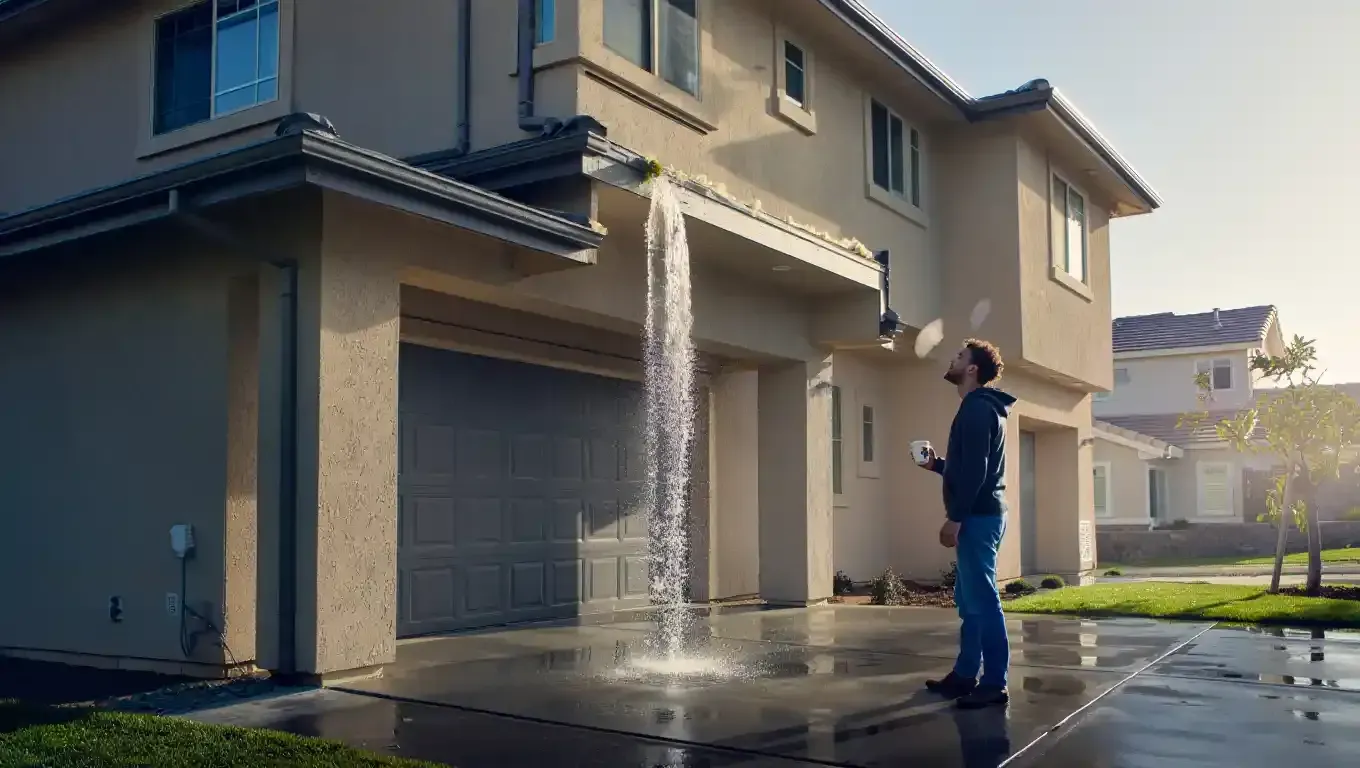
Caulking around windows and doors is a short-life item in Abilene. When it dries out, cracks, and pulls away from the frame, you get air coming in that your utility bill notices right away. More importantly, you get water working its way in slowly. A walk around the outside of your home checking every window and door frame takes about ten minutes. If you see gaps, cracking, or caulk that has completely separated from the surface, that is a simple fix through our sealing and caulking service that closes a real problem for a reasonable cost.
Wood trim, decorative exterior elements, and exposed wood on porches and overhangs all take UV punishment year after year. Surface peeling with solid wood underneath is a prep and paint job. Soft, spongy, or crumbling wood means replacement before paint ever goes on. Skipping that step and painting over damaged wood just delays the same repair by one season.
Homeowners in Clyde and Eula deal with the same exterior wear patterns. More exposure in some cases, depending on how much tree cover and shade is around the property.
Plumbing: What 20 to 40 Years of Hard Water Looks Like
Plumbing does not give much warning. It just works until it does not. In a home this age in Abilene, there are a few things worth knowing before something forces the conversation.
Water heaters in this climate deal with heavy mineral sediment. It builds up at the bottom of the tank over time, makes the unit work harder, costs more to run, and shortens its life. Most manufacturers assume the tank gets flushed periodically. Most homeowners skip that step entirely. A water heater that has never been serviced in a 20 to 40 year old home is carrying years of buildup and is likely running past its most efficient years.
Shutoff valves are another quiet risk. These are the valves under your sinks, behind your toilets, and at the main supply. If they have not been turned in years, they can fail when you actually need them. Finding that out during a leak is a bad time. Finding it out during a routine check is a much better situation.
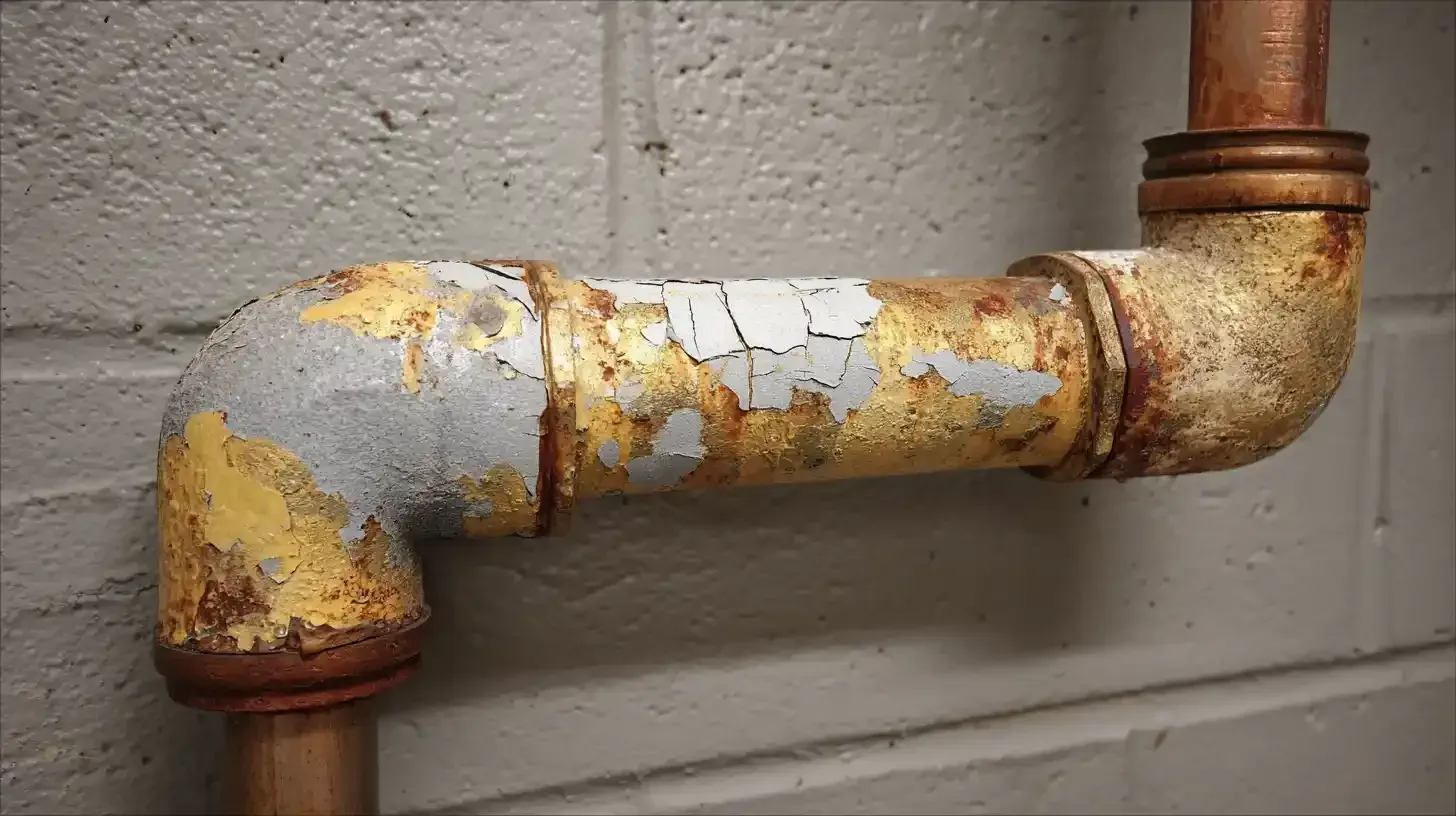
Supply lines, the flexible hoses that connect fixtures to the wall, have a lifespan. Older braided lines and corroded connections are inexpensive to replace on your schedule. They are more expensive and more disruptive to deal with after they let go. Hard water accelerates that corrosion, so the standard replacement timelines that assume soft water do not always apply here.
Some homes built before the mid-1980s in Abilene have galvanized steel pipe. If yours does and it has never been updated, the inside of those pipes has been narrowing for decades from mineral buildup. Flow issues, discolored water, and pressure drops are common signs. Not always urgent, but always worth knowing about. Our plumbing minor fixes page covers the range of what we can help with.
Floors, Doors, and Drywall: The Ground Is Always Moving
This is the category that gets the most questions, and for good reason. The symptoms look cosmetic. But in a lot of cases they are the house telling you something about what is happening underneath.
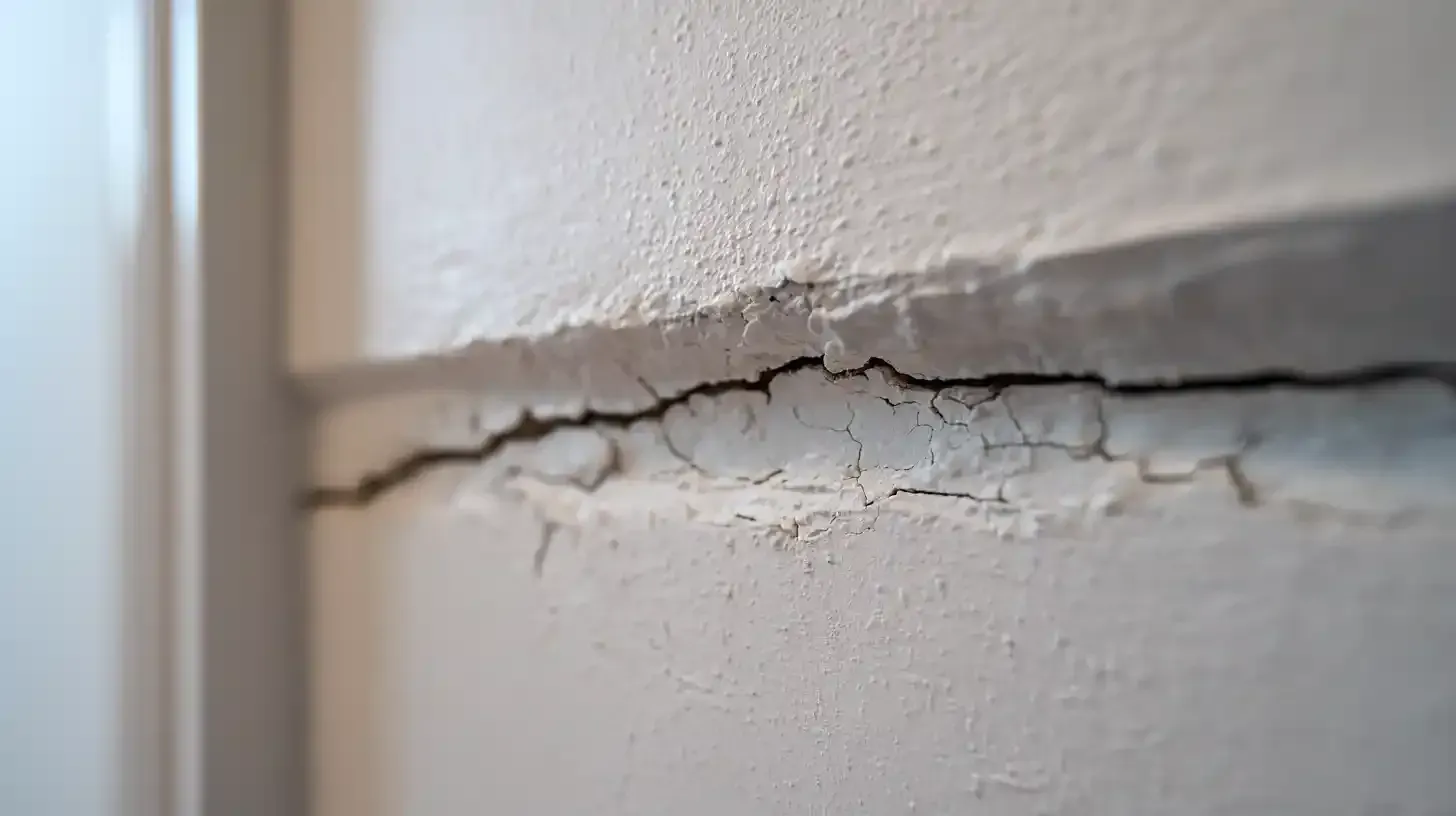
Drywall cracks come up in almost every home we walk through in this age range. The ones that run diagonally from the corners of door frames and windows are almost always clay soil related. The foundation shifts, the framing above it moves slightly, and the drywall records it. A crack that comes back in the same spot after being patched is not a drywall problem. It is a movement problem expressing itself through the drywall. Patching it again without understanding why it keeps coming back is just paying for the same repair over and over.
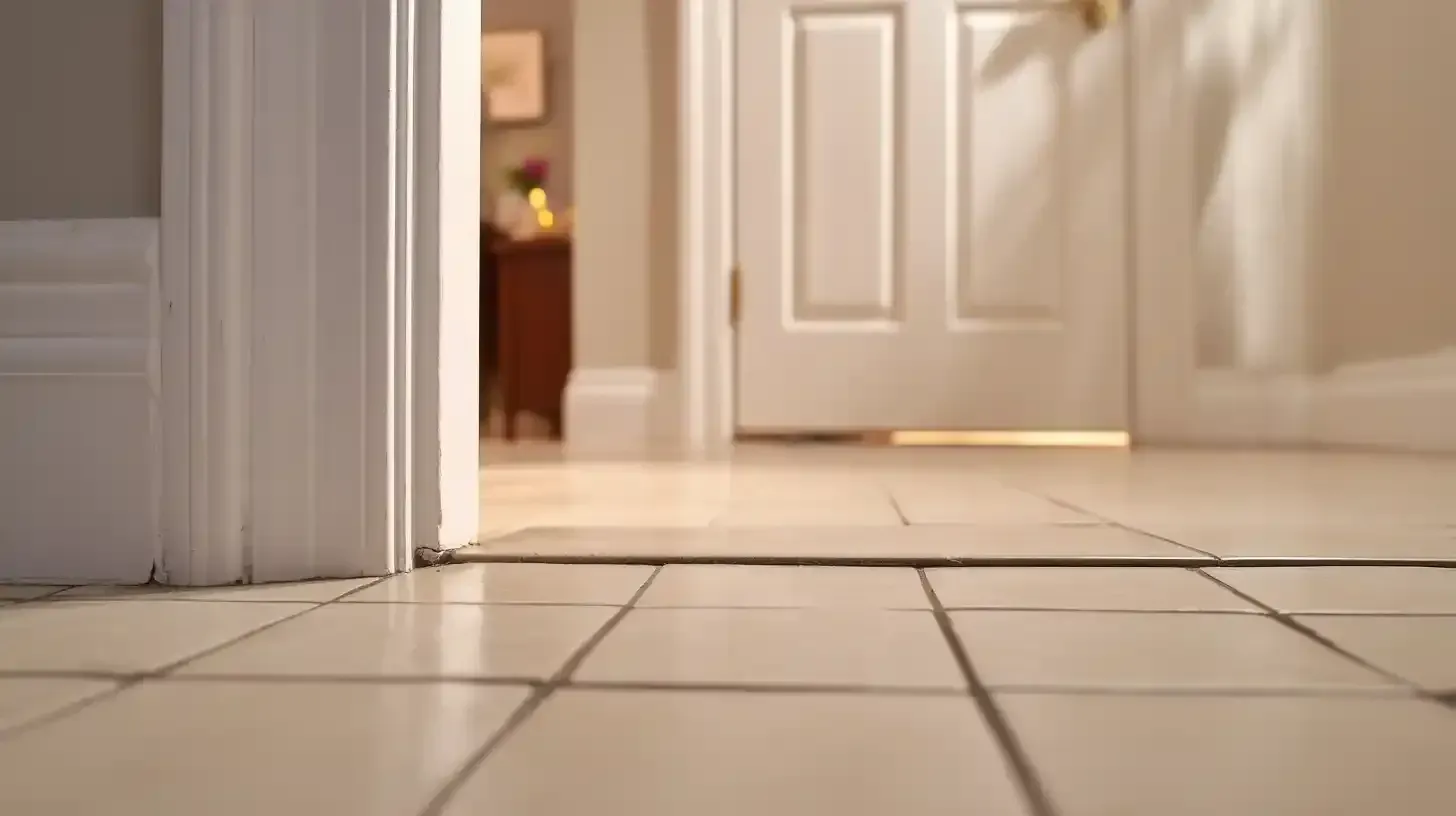
Doors that stick in summer, frames that are no longer square, and gaps that show up at the base of door casings where they meet the floor are all part of the same pattern. Foundation movement working its way through the finish materials. Sometimes the movement has stopped and the fix is straightforward. Sometimes it is ongoing and the cosmetic repair is only part of the picture. Either way, knowing which one you are dealing with matters before you spend money on repairs.
Tile grout cracking along grout lines, flooring gaps, and laminate or hardwood separating at the joints are all common in homes this age in Abilene. The subfloor and the slab below it have been through decades of heat expansion and clay movement. The finished floor on top of it shows that history. Our general home repairs page covers interior finish work across all of these areas. When something points beyond our scope, we say so directly.
Homeowners in Stamford and the surrounding areas deal with the same clay soil conditions. If anything, homes a little further out with less established landscaping around the foundation tend to see more active movement.
Small Things That Add Up
Not everything on the list for a home this age is a big project. Some of it is the kind of thing that gets ignored because it does not feel urgent, but quietly makes the house less comfortable and less efficient year over year.
Door hardware that no longer latches cleanly. Cabinet hinges that have worked loose. Light fixtures and ceiling fans that were installed years ago and have never been looked at since. Bathroom and kitchen fixtures that show years of hard water staining and mineral buildup. These are not emergencies, but they are the kind of thing that adds up on a list and makes a home feel older than it needs to. Our installation and assembly service handles that category, and so does our other home maintenance page for the jobs that do not fit a clean category.
A lot of homeowners in this situation tell us they have a mental list that never seems to get shorter. That is exactly what we are here for.
What to Do Now vs. What Can Wait
Every home in this age range has a mix of things that need attention now and things that can hold for a while. The difference usually comes down to one question: is water involved?
Anything that gives water a path into the house, gaps in caulking, peeling paint on wood, failing exterior seals, early plumbing corrosion, moves up the priority list. Water damage compounds. What starts as a small entry point becomes a larger repair scope faster than most people expect, especially in a climate that swings between dry heat and occasional heavy rain.
Foundation-related interior symptoms are worth understanding even when they are not urgent. Knowing whether movement has stabilized or is still active changes what kind of repair makes sense. Our outdoor maintenance services cover the exterior side of this, and our general repairs team handles the interior.
Things like water heater condition, shutoff valve age, and supply line corrosion are predictable maintenance items. Handling them on your schedule is a lot easier than handling them on the schedule your plumbing picks.
If you are not sure where your home stands, the most practical thing you can do is have someone walk through it who knows what to look for in a West Texas home of this age. That is what we do. Give us a call at 325-225-2540 or reach out through our contact page and we will take a look.
Questions About Home Repairs in Abilene
How does Abilene's clay soil affect my home over time?
Clay soil expands when it absorbs moisture and shrinks when it dries out. Over 20 to 40 years that cycle works on your foundation, your slab, and everything attached to them. The most common signs are diagonal cracks at door frame corners, doors that stick seasonally, floors that separate at the joints, and gaps that appear at the base of interior door casings.
How long does exterior paint actually last in Abilene?
Less than it should. Most exterior paint is rated for 7 to 10 years under average conditions. Abilene's UV exposure and heat cycles shorten that to 5 or 6 years in many cases, sometimes less on south and west facing surfaces that take the most direct sun. Prep quality and paint product matter, but the climate will always be a factor here.
What does hard water do to plumbing in an older Abilene home?
Over decades, hard water leaves calcium and mineral deposits inside pipes, around fixture connections, inside water heaters, and on every valve and aerator in the house. It corrodes supply lines faster than soft water regions, can narrow older galvanized pipes significantly, and causes shutoff valves to fail when they are finally needed. Most of it is invisible until something stops working.
How do I know if a drywall crack in my Abilene home is serious?
Diagonal cracks running from the corners of door frames and windows are almost always clay soil related and worth monitoring. A crack that comes back in the same spot after being patched is a sign the movement has not stopped. Cracks wider than a pencil, cracks that run horizontally across a wall, or any crack accompanied by a door or window that no longer closes properly deserve a closer look before patching.
What home repairs should I prioritize in a 20 to 40 year old Abilene house?
Anything that involves water gets priority. Gaps in exterior caulking, peeling paint on wood trim and fascia, failing seals around windows and doors, and aging plumbing connections all give water a path in. Water damage compounds quickly in this climate. Foundation-related interior symptoms are worth understanding even when they are not urgent. Everything else can usually be triaged by condition rather than age alone.
How often should I flush my water heater in Abilene?
Once a year is the standard recommendation, but most manufacturers assume average water hardness. Abilene's water is significantly harder than average, which means sediment builds up faster. Many water heaters in homes here have never been flushed at all. A unit carrying years of sediment runs less efficiently, costs more to operate, and reaches the end of its useful life sooner than it should.
Do homes in Clyde, Eula, and Stamford have the same issues as Abilene homes?
The same clay soil, hard water, and UV conditions apply across the region. Homes further out with less established landscaping and tree cover around the foundation sometimes see more active soil movement, since mature root systems and shade help stabilize moisture levels around a slab. The core issues are the same. The severity can vary by lot and location.
When should I replace exterior caulking on my home?
Inspect it every year and replace it when you see cracking, shrinkage, or separation from the surface. In Abilene's climate, most exterior caulking needs attention every 3 to 5 years rather than the 7 to 10 years listed on the tube. South and west facing exposures tend to fail faster. If you can see daylight or feel air movement around a window or door frame, it is already overdue.
What are the signs that my home's plumbing shutoff valves need attention?
Valves that have not been operated in years are the main risk. There is no visible warning until they fail. If your home is 20 or more years old and the valves under sinks and behind toilets have never been turned, having them inspected and exercised is worth doing before a leak forces the issue. Valves that are stiff, corroded at the stem, or show mineral buildup around the fitting are candidates for replacement.
How do I find a reliable handyman for home repairs in Abilene?
Look for someone who knows West Texas homes specifically, not just general repair experience. Abilene's clay soil, hard water, and climate create conditions that generic advice does not cover. Ask whether they have worked on homes in your age range and neighborhood. A crew that can walk through the house with you and explain what they are seeing, not just quote individual jobs, is worth a lot more than the lowest bid.